Kelantan
Kelantan’s Heritage and Food Tourism Opportunities
Published
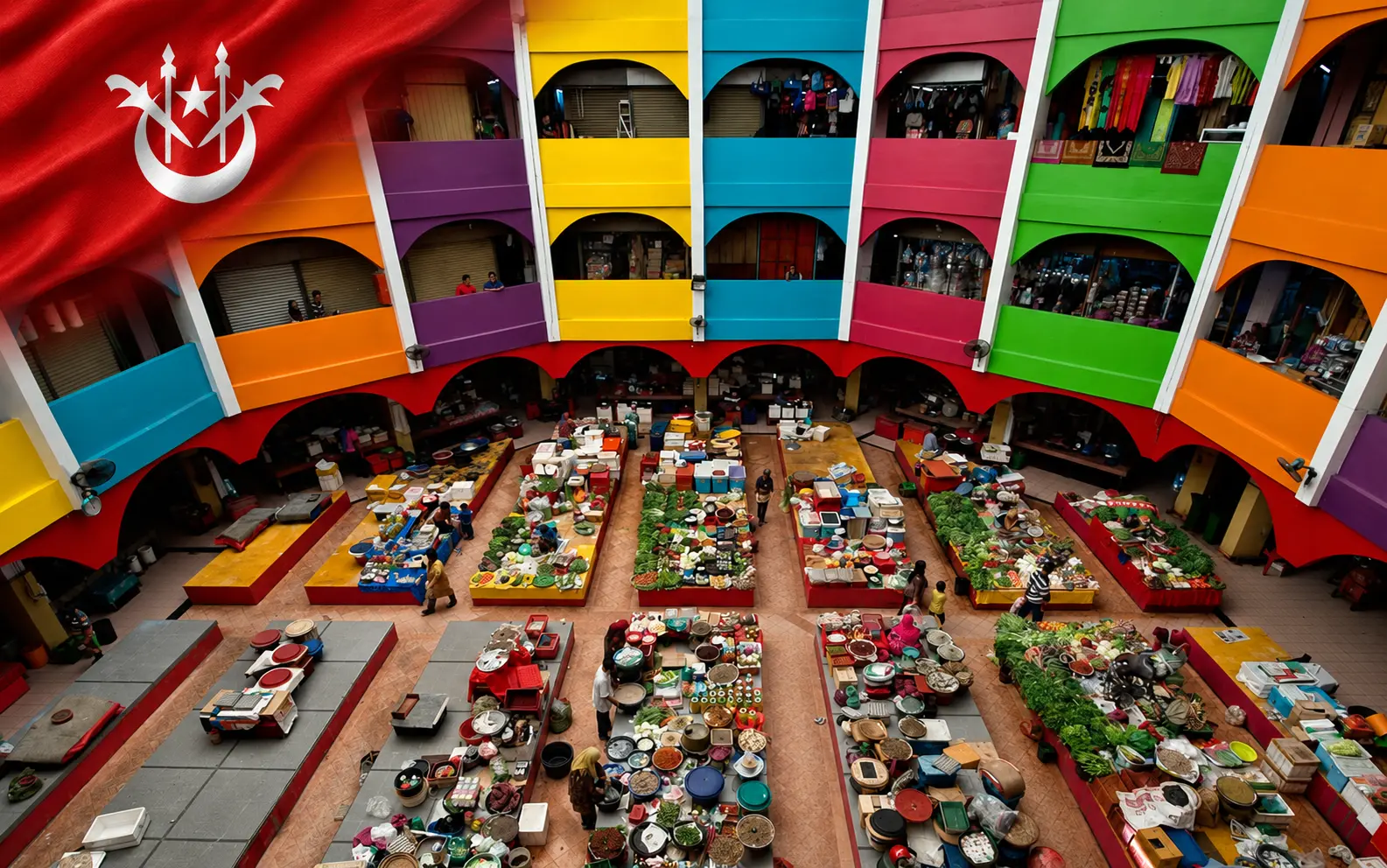
Kelantan offers distinctive tourism opportunities through its cultural heritage, traditional culinary arts, vibrant wet markets and locally hosted hospitality experiences. These activities can connect visitors with the skills, traditions and daily commercial life of local communities across the state.
At the SG4 Business & Economic Forum 2026, discussion touched on how local enterprise and entrepreneurship can be supported across the four states. For Kelantan, tourism built around cultural heritage and gastronomy provides a practical channel for small traders, artisans and hospitality providers to access broader visitor markets.
Heritage Tourism Can Connect Visitors with Local Skills
Heritage tourism in Kelantan is defined by living traditions that remain actively practiced in everyday life.
Unlike static exhibitions, Kelantan’s cultural assets include traditional woodcarving, silverwork, songket weaving, wau (kite) crafting and batik printing. These crafts are concentrated in villages around Kota Bharu and Tumpat, where master artisans continue generational methods.
According to Tourism Malaysia’s guide to Kota Bharu, exploring the city like a local involves walking through traditional craft workshops, architectural sites such as Istana Jahar, and historic guild areas. For local artisans, formalising these workshops into structured, scheduled visitor experiences creates direct retail sales while preserving traditional craftsmanship.
Food Tourism Builds on Kelantan’s Culinary Identity
Gastronomy is one of Kelantan’s most powerful tourism drivers.
Kelantanese cuisine features a unique flavour profile influenced by historical trade links across Southeast Asia. Signature dishes such as Nasi Kerabu, Nasi Dagang, Akok, Ayam Percik and Laksam have gained nationwide popularity.
As documented in Tourism Malaysia’s guide to Kelantan’s distinctive dishes, visiting food markets and traditional stalls allows travellers to experience recipes passed down through generations. Food tourism disperses spending widely, benefiting spice merchants, coconut milk producers, fishermen and independent stall operators.
Siti Khadijah Market Brings Food and Heritage Together
No visitor experience in Kelantan is complete without visiting Pasar Besar Siti Khadijah.
Managed by the Kota Bharu Municipal Council, the official description of Siti Khadijah Market highlights its unique architectural layout, with an octagonal skylight illuminating four floors of bustling commercial life.
The ground floor hosts fresh ingredients, tropical produce and traditional kuih; the middle floors house dry food products, spices and keropok; while the upper floors feature Kelantanese batik, songket and tailored traditional apparel. The market is also celebrated for its prominent women traders, representing a vibrant commercial tradition of independent female entrepreneurship.
Four Experience Formats Local Businesses Could Explore
For local operators and communities seeking to develop commercial tourism products, structured packages offer better clarity for visitors:
| Experience Format | Potential Participants | What to Define | | --- | --- | --- | | Food tasting tour | Street food cooks, market stalls and tasting hosts | Route, portion sizes, dietary options and transparent price | | Craft demonstration | Artisans, batik painters and craft sellers | Hands-on activity, workshop duration and purchase options | | Guided market visit | Traders and certified local guides | Timing, walking route and trader interaction | | Community homestay | Village hosts and cultural accommodation providers | Activities, hosting capacity, hygiene standards and payment arrangements |
Structuring offerings in this manner allows independent operators to collaborate, creating multi-stop itineraries that keep visitors engaged across multiple days.
Better Market Access Helps Enterprises Reach Visitors
Even the most authentic tourism product requires effective discovery and reservation mechanisms:
| Business Need | Practical Consideration | | --- | --- | | Discovery | Accurate online descriptions, verified maps and high-quality photographs | | Booking | A dependable direct contact, WhatsApp enquiry or online booking channel | | Delivery | Agreed meeting times, stated group capacity and clear host responsibilities | | Payment | Transparent pricing, cashless payment options and clear cancellation terms | | Feedback | A systematic way to collect visitor reviews and resolve complaints |
Addressing these operational fundamentals helps small enterprises build credibility and earn positive recommendations on travel platforms.
Keeping Value Within the Local Community
Sustainable tourism ensures that economic benefits remain anchored locally.
When visitors hire local guides, purchase handicrafts directly from artisan workshops and dine at neighbourhood eateries, the economic multiplier stays within the immediate community. This supports job creation in rural areas and encourages younger generations to sustain cultural heritage as a viable livelihood.
Kelantan’s Contribution to SG4 Tourism
Within the wider SG4 economic collaboration, Kelantan offers complementary strengths that pair naturally with the attractions of neighbouring states.
Travellers exploring the natural forests and Lake Kenyir in Terengganu, or the agro-tourism landscapes and historical royal routes of Kedah and Perlis, can incorporate Kelantan for immersive culinary and cultural experiences. A coordinated multi-state circuit encourages extended itineraries and higher total visitor spend across the northern and eastern regions.
Conclusion
Kelantan’s cultural heritage and food culture offer an enduring foundation for community-based tourism growth.
By refining experience packaging, improving digital discovery and maintaining the authenticity of local traditions, Kelantanese entrepreneurs can transform cultural assets into sustainable livelihoods and regional economic vitality.
Frequently Asked Questions
What tourism opportunities does Kelantan offer?
Kelantan offers opportunities in heritage visits, traditional food, local craft demonstrations, guided market experiences and cultural homestays.
How can food tourism support local businesses?
Food tourism directs visitor spending directly to cooks, market stallholders, family-run eateries and local ingredient suppliers.
What can visitors find at Siti Khadijah Market?
The municipal council highlights authentic prepared food, fresh produce, traditional spices, hand-drawn batik and local handicraft stalls managed predominantly by women entrepreneurs.
What did Tun Dr Mahathir say about Kelantanese entrepreneurs?
At the SG4 forum, he highlighted their long-standing commercial enterprise, particularly in food and retail, as a cultural asset for business development.
Are the experience formats in this article existing tourism products?
They represent suggested practical formats for local businesses and community groups to structure, package and market their existing offerings to visitors.